@hallekodyhallekody
| Name | hallekody |
| Country | |
| State | |
| About Me | Coloring pages: Pick a pair for a comparison worth making
Two attractive drawings do not automatically make a useful pair. When you browse printable coloring pages, two designs may catch your eye for different reasons, yet that does not mean they belong in the same comparison. They may change so many visible features that the comparison becomes unclear, or repeat so closely that inspecting both adds little. Start with a question about a visible relationship, then choose drawings that can answer it together. You can keep both without selecting a winner or committing to complete two pieces.
1. Name the question that makes two drawings useful together
A comparison needs a reason for placing these drawings together. Let the question guide the selection before the attraction of a second picture invents a purpose for it.
1.1 Choose a visible relationship to compare
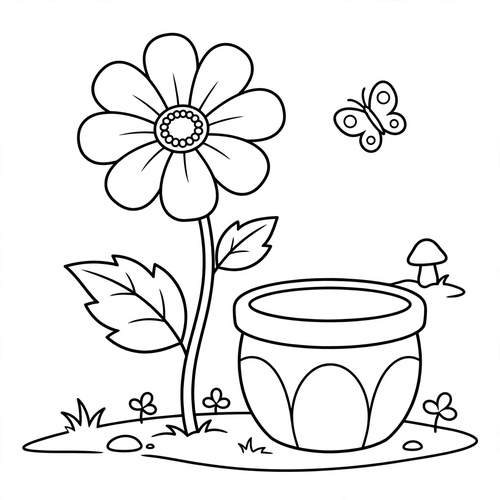
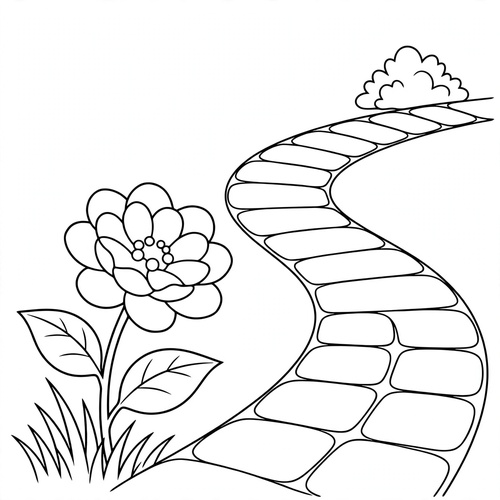
Suppose you want to notice how a familiar subject relates to its surroundings. One hypothetical drawing shows a flower beside a pot; another places a similar flower beside a path. The shared subject gives you an anchor, while the setting supplies a visible contrast. Your question might be, “How does the flower connect with nearby objects in each scene?” That can be answered by inspecting the pair. It is more useful than choosing two unrelated favorites and hoping a comparison will emerge.
A useful pair usually has:
Blooming flower standing beside a round flower pot
1.2 Separate observation from choosing the better design
Success means being able to describe something the pair reveals. You might notice how the pot creates a close object relationship while the path connects the flower to a wider setting. Neither arrangement must win. The comparison is not a formal experiment or a judgment about which finished result looks best. Keeping the question observational lets you notice a difference without turning it into an unsupported quality ranking.
2. Give the pair a stable anchor
An anchor keeps the comparison interpretable while another feature changes. It can be a shared subject or relationship without making the drawings identical in every other respect.
2.1 Keep a relevant subject or relationship in common
In the flower pair, a similar main subject lets the surroundings carry the comparison. Inspect both drawings to see whether that anchor is genuinely present and visible. A tiny flower lost in one landscape may not serve the same role as the prominent flower beside the pot.
If you are browsing free coloring pages pdf format resources, the file type should not become the anchor by itself. Two PDFs can still show scenes that are too different to compare meaningfully. The anchor should come from what is visible in the drawings, while the format simply supports access or preparation.
2.2 Avoid using a broad theme label as the only connection
“Both are garden pictures” may be too weak. One drawing could be a close blossom portrait and the other a distant garden scene with no comparable main object. Open the actual pictures and identify what they share beyond the collection name.
If the only common feature is a broad label:
Do not invent hidden connections to preserve two appealing finds. A pair can cross subjects when the relationship is visible, while two pictures within one theme can still fail as a comparison.
3. Choose a difference that the pair can make clear
The difference should answer the stated question. Keep other changes in view so scale, cropping, or missing details do not become the real explanation for what you notice.
3.1 Change the feature that answers the question
For the flower-and-surroundings question, retain the similar subject while comparing the pot relationship with the path relationship. One flower sits beside a nearby object; the other connects to a route through the scene. Another comparison might keep an arrangement similar while changing the main subject. In each case, explain what remains shared and what changes.
Imagine a parent and child looking through two pages at the kitchen table. The child first likes both because the flowers look familiar. After a closer look, they notice that one flower feels tied to the pot while the other seems part of an open path. That small observation gives the pair a purpose without requiring either picture to be judged.
Blooming flower growing beside a curved garden path
3.2 Replace a candidate when too many changes obscure the comparison
A close flower portrait paired with a distant landscape changes scale, setting, and visible detail together. You may like both, but that pair may not isolate the surroundings question you began with. Replace one member with a candidate whose main subject plays a more comparable role.
Alternatively, accept that the pair answers a different question. Do not guess details hidden by a crop to force comparability. Revision should make the contrast readable, not simply make the drawings look more alike.
4. Explore coloring pages with ColoringPagesCreative
ColoringPagesCreative provides homepage collections and discovery sections as starting points for exploring coloring pages. Browse with the missing role in mind: a candidate needs a relevant shared anchor and the contrast your question requires. Inspect individual drawings rather than assuming a paired-download or comparison feature. Before preparing either resource, confirm its current access, offered format, paper guidance, and use details.
4.1 Browse to fill the missing side of the comparison
If the pot scene already supplies one side, look for a candidate that could supply the setting contrast. A later encounter earns its place by its contribution to the question, not simply by appearing different. Open it and verify the anchor instead of relying on a thumbnail.
4.2 Check both resources independently
Inspect each actual resource page before taking a supported use step. One usable file does not establish the second item’s format or terms, even when their drawings form a good pair. Confirm information essential to your planned preparation separately for each.
Check:
If one member remains unclear, replace it or defer that part. The visual comparison and the resource checks support different aspects of the decision.
5. Keep the pair only while the relation serves your purpose
Retain both when their joint contribution is useful. Replace one when the comparison is obscured, or choose a single drawing when the pair no longer answers something you want to notice. The same principle applies when selecting coloring pages for printing: two printable resources still need a meaningful relationship if they are meant to function as a deliberate pair.
5.1 Describe what the pair makes possible to notice
Try a specific sentence: “These two scenes let me compare how the same kind of flower relates to a nearby object and a wider setting.” If the pictures genuinely support that description, they have a reason to stay together. You can observe the relation without completing both drawings or using matching colors.
You can choose a different shared anchor and revise the pair. Keep the purpose grounded in the actual pictures rather than promising a result or ranking anyone’s finished work.
Two similar flowers beside a pot and a garden path
5.2 Use one drawing independently when no useful pair remains
If the second candidate adds no interpretable contrast, one drawing can still be a worthwhile independent choice. You do not need to invent a comparison purpose to justify keeping two favorites. Select the picture you want for the activity in front of you, check its resource, and leave the other optional.
A deliberate pair is retained because both contribute to a relationship, not because one might replace the other later.
Choose coloring pages together when a visible anchor and a meaningful difference make the pair useful. Keep both, replace one, or select one independently according to that purpose. A comparison worth making should help you notice something without creating an obligation to choose a winner.
For More Information:
Free Coloring Printable Pages For Curious Minds And Creative Hands
Relaxing Screen Free Time With Free Coloring Pages PDF Format |
| Company Name | hallekody |
| Industry | |
| Website |